top of page

Research & Leadership

PublicΒ·39 members

occupational therapy

Hi all!


As our upcoming live session is going to be with an occupational therapist, here's an article we can all read to learn a little more about it:
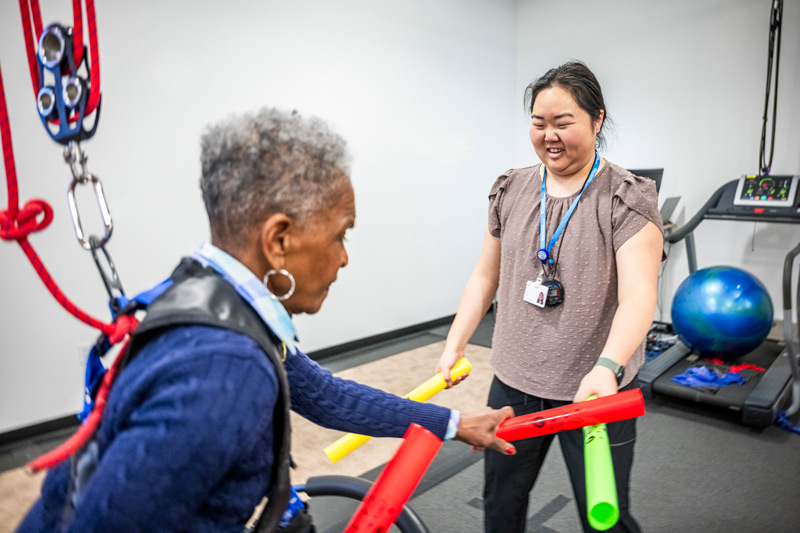

Here are some of my takeaways:

  • Occupational therapy helps people perform daily tasks and functions

  • Many different kinds of people might require occupational therapy. The therapist we're going to be meeting specializes in pediatric occupational therapy.


35 Views
Gavin Hifumi
Gavin Hifumi
2 days ago

Thanks for the post, this is pretty good context for anyone unfamiliar to the occupation!

Oral Cancers

Hi everyone, I was recently reminded about how a dentist I know was able to identify oral cancer in one of her patients and thankfully got her to seek medical attention before it was too late, so I decided to look more into what oral cancer exactly is.

Oral cancer is cancer that develops in the tissues of the mouth or nearby areas of the throat. This means that the lips, gums, tongue, inner cheeks, and floor or roof of the mouth are all potential sites where oral cancer can occur. Oropharyngeal cancers, cancers that occur in the tissues of the oropharynx, or the middle part of the throat behind the mouth, appear further back, such as at the base of the tongue or on the tonsils. Major risk factors include tobacco and alcohol consumption, with HPV as a big cause of oropharyngeal cancer. Other factors, such as UV exposure,…


59 Views

great post Gavin!!


a couple of thoughts about oral cancer:


Every time I’m at the dentist, they check under my tongue and throughout my mouth to make sure there isn’t a β€œsneaky” cancer developing. It’s one of those quick examinations that can be easy to take for granted, but it really highlights the importance of early detection.


The few cases of oral cancer I’ve encountered were peripheral to my workβ€”they were part of the medical histories of patients who were actually seeing me for their eye appointments. Unfortunately, the cases I saw were fairly dramatic. At least a couple of these patients had undergone extensive surgery, including procedures that appeared to involve removal of portions of the jaw, leaving significant changes to their appearance and speech.


As with so many health issues, early detection and being informed really matter.Β Knowing what to look for, can make a meaningful difference.


That seems to be the recurring theme of our BioImpact group: knowledge, awareness, and early action can have a real impact on outcomes.

Aneurysm Awareness

Recently, my family had someone close to us get diagnosed with an aneurysm, so I wanted to learn more and share what I learned in this post. Hopefully you guys find this helpful and learn a lot as well.


What is an aneurysm?

An aneurysm is a weak spot that forms, beginning to swell and "balloon" outward. If the aneurysm grows too big, it can burst and cause dangerous bleeding that can be fatal. Aneurysms can form in any artery in the body; however, the most common are found in the brain, aorta, and chest.


Symptoms?

Unruptured aneurysms usually cause no symptoms unless they grow too big and press on a nerve. Ruptured aneurysms in the brain causes a sudden, severe headache. Ruptured aneurysms in the abdomen causes a sharp pain in the chest, back, or belly, which in turn, causes dizziness.


Main causes and how to prevent? Causes for…


65 Views
Marcus Cho
Marcus Cho
yesterday

Thank you for taking the time to share this important information. I am very sorry to hear that someone close to your family was recently diagnosed with an aneurysm. I can imagine that this must be a difficult and concerning experience for you and your family. I appreciate your effort to learn more about the condition and use your experience to raise awareness and educate others. I hope your family member receives the proper care and support they need, and I sincerely wish them strength, comfort, and a positive recovery.

10 healthy habits for the brain

Hi all!


Since a lot of us went to the pava leadership conference and heard from the Alzheimer's association on 10 healthy brain habits, I figured I should recap what we learned for those of us who couldn't be there.


  • The brain is made of 86 billion neurons and probably the same amount (or more) glia cells (helpers)

  • Alzheimer's is a progressive dementia that kills neurons, starting in the regions of the brain responsible for making new memories and eventually spreading all over the brain

  • We don't know what causes it. However, we do have some compelling biomarkers.

  • Neurodegeneration appears to be driven by the complex interplay between misfolded proteins amyloid beta and tau. People also think inflammation driven by overreactive glia cells can contribute to further destruction.


73 Views

Thank you for the recap! It's nice that you got to learn about a topic you are interested in at the leadership conference!

Members

bottom of page